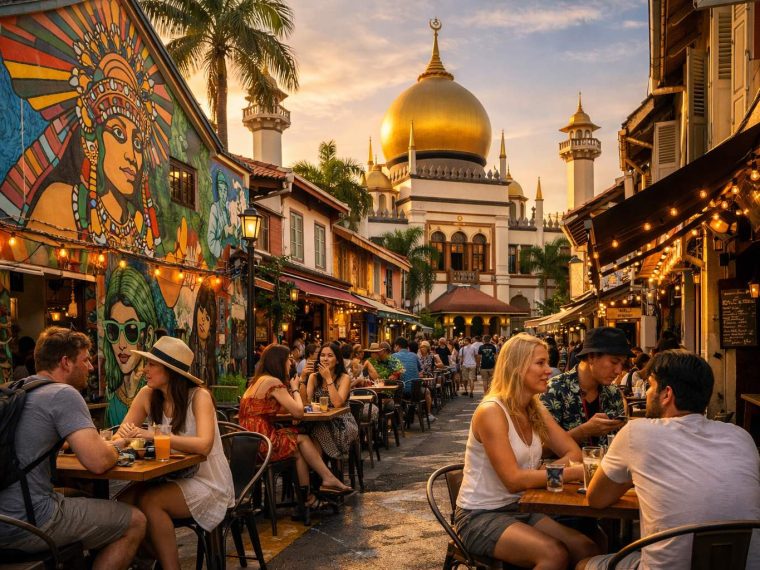
Have you ever stood in a place where the call to prayer harmonizes perfectly with the hum of espresso machines and the shutter clicks of high-end cameras? Kampong Gelam is exactly that kind of paradox. Walking through these streets in 2026, you get a distinct sense that this isn’t just a preserved museum exhibit; it is a living, breathing district that refuses to stand still.
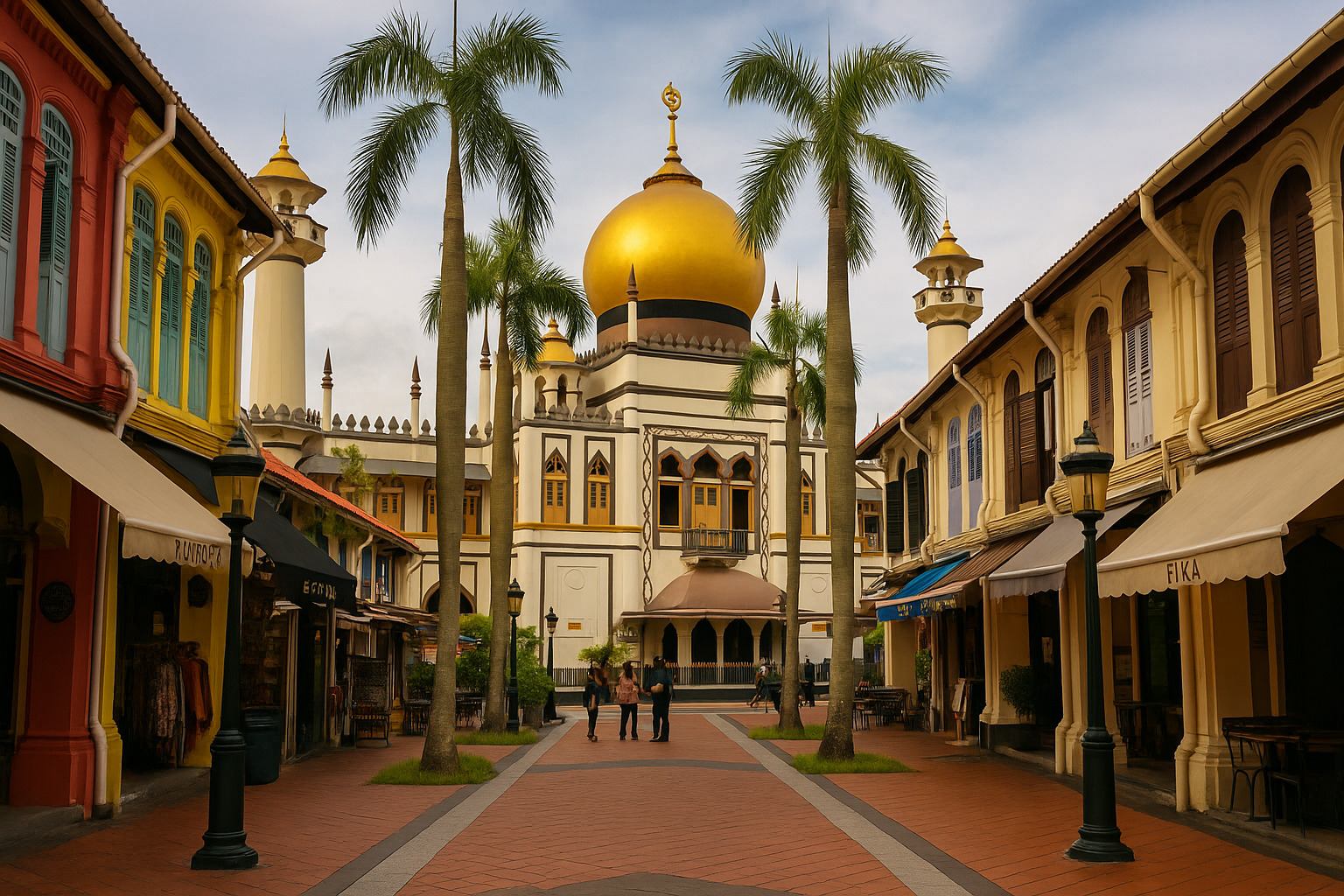
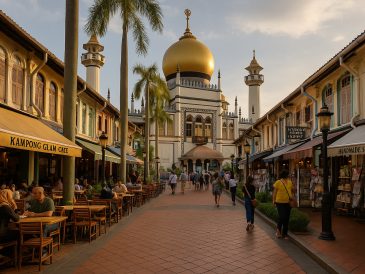
The evolution here is subtle but relentless. While the iconic golden dome of the Sultan Mosque still dominates the skyline, the shophouses beneath it have shifted gears. The area has become a magnet for a new generation of travelers who demand authenticity without sacrificing modern convenience.
Understanding why this district continues to thrive requires looking beyond the pretty facades. It is about the synergy between the old-world charm that earned it conservation status in 1989 and the aggressive, forward-thinking commercial energy driving it today.
At the physical and spiritual center of this evolution stands the Sultan Mosque. Iserves as the anchor that keeps the district grounded in its identity. Even as the streets around it fill with hipster cafes and lifestyle boutiques, the mosque remains a steadfast reminder of the area’s origins as the seat of Malay royalty and a hub for Islamic commerce and culture.
The mosque’s influence extends beyond religious services; it dictates the architectural and cultural rhythm of the surrounding streets. The conservation guidelines that protect the area ensure that no skyscraper can block the view of the dome, preserving a skyline that is increasingly rare in a vertical city like Singapore.
It remains an active community hub, hosting thousands of worshippers and cultural events that breathe life into the heritage narrative. Events like the Gemilang Kampong Gelam celebration highlight this enduring legacy, ensuring that the history here isn’t just written on plaques but is enacted daily by the people who live, work, and pray in the precinct.
If the mosque represents the district’s soul, the exploding street art scene represents its voice. It’s been a natural evolution of the district’s bohemian undercurrents. What started as a few murals in Haji Lane has expanded into a precinct-wide celebration of color and narrative, turning back alleys into primary destinations for exploration.
Moreover, the art scene has encouraged visitors to explore deeper into the grid of streets. This dispersion helps smaller businesses survive and creates a sense of discovery that is vital for repeat tourism. The juxtaposition of a century-old shophouse window against a neon-bright mural creates a visual tension that defines the modern Kampong Gelam aesthetic.
The way people physically move through Kampong Gelam has changed, but so has the way they mentally engage with the space. The modern tourist is never fully “offline,” and the district has adapted to become a haven for the hyper-connected. The proliferation of cafes offering high-speed fiber connections has turned the area into a workspace for digital nomads and a recharge zone for weary explorers.
A tourist might spend the morning learning about the Malay heritage center, and their afternoon downtime sitting in a shophouse courtyard, engaged in global digital entertainment. Whether they are streaming the latest series, video-calling family back home, or browsing platforms from casino operators online to unwind, the digital infrastructure of the district supports it all.
This digital layer doesn’t detract from the history; instead, it facilitates a smoother, more frictionless experience that appeals to the modern traveler who expects high-tech convenience even in a high-heritage setting.
The success of the district has brought with it a surge in value that is reshaping the tenant mix. Real estate data reveals that yearly median rents in Kampong Gelam rose 25% to S$7.54 per square foot between 2023 and 2025, a growth rate that significantly outpaced other cultural enclaves like Chinatown and Little India.
This economic pressure is driving a trend toward subletting and the entry of larger, more established lifestyle brands. While this brings stability and capital, it also challenges the smaller, eclectic boutiques that gave the area its original charm.
The confidence in the area’s future is bolstered by the broader recovery of the travel sector. Recent reports highlight that Singapore tourism receipts reached S$23.9 billion in the first three quarters of 2025, putting the country on track for record-breaking full-year figures. Kampong Gelam is capturing a significant slice of this spending, particularly in the food and beverage and entertainment sectors.
Ultimately, Kampong Gelam’s evolution is a testament to its resilience. It has successfully transitioned from a historic settlement to a thriving modern lifestyle destination without losing its identity. It is a flexible asset that, when managed with care, can serve as the foundation for a vibrant, economically robust future.