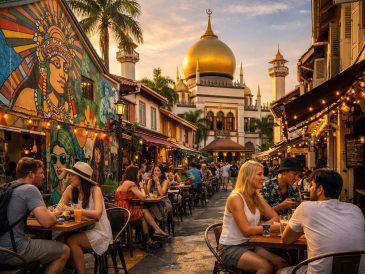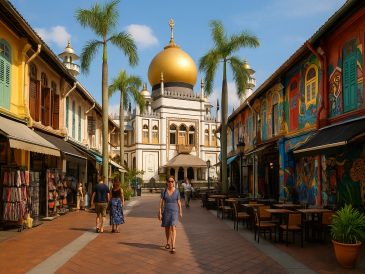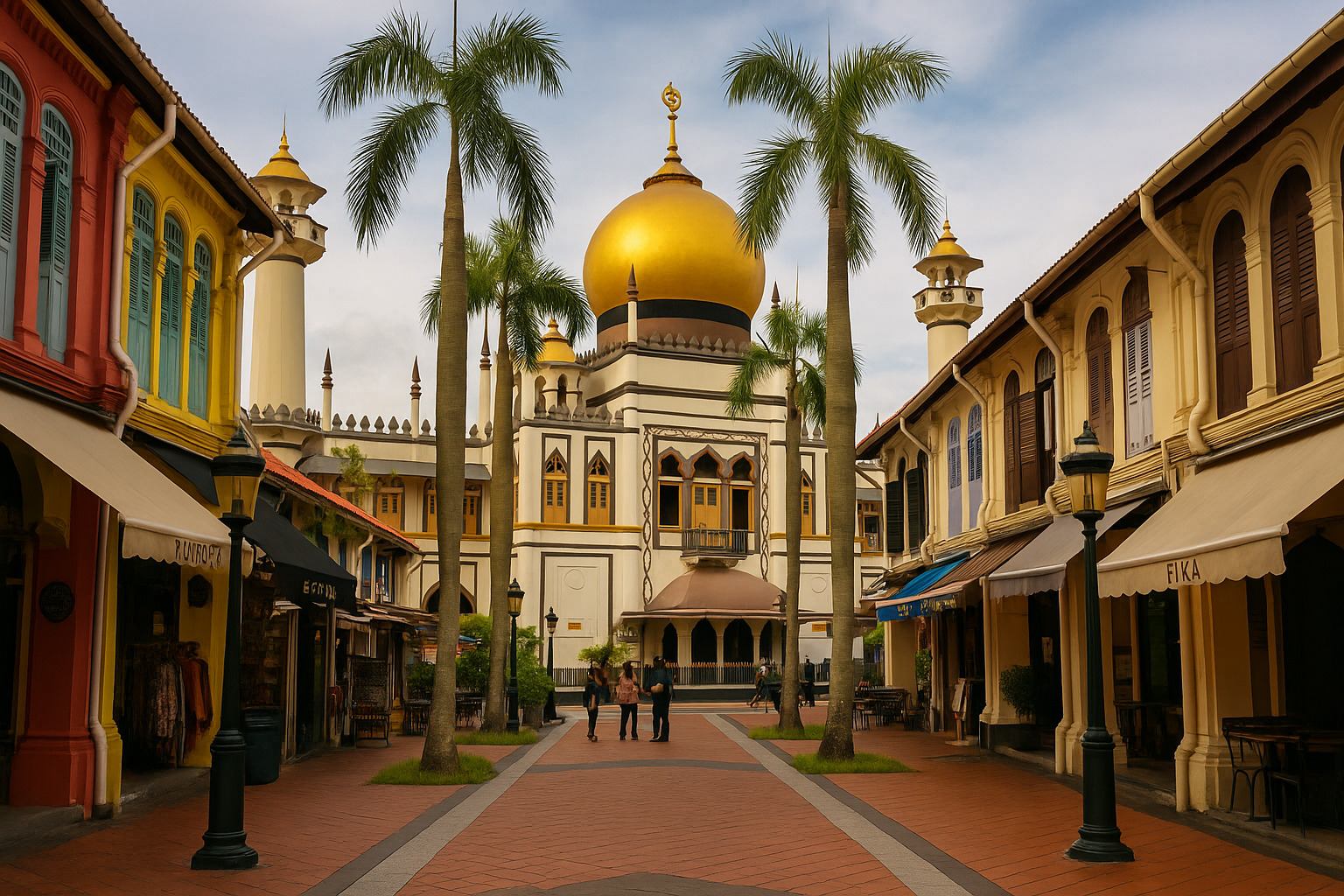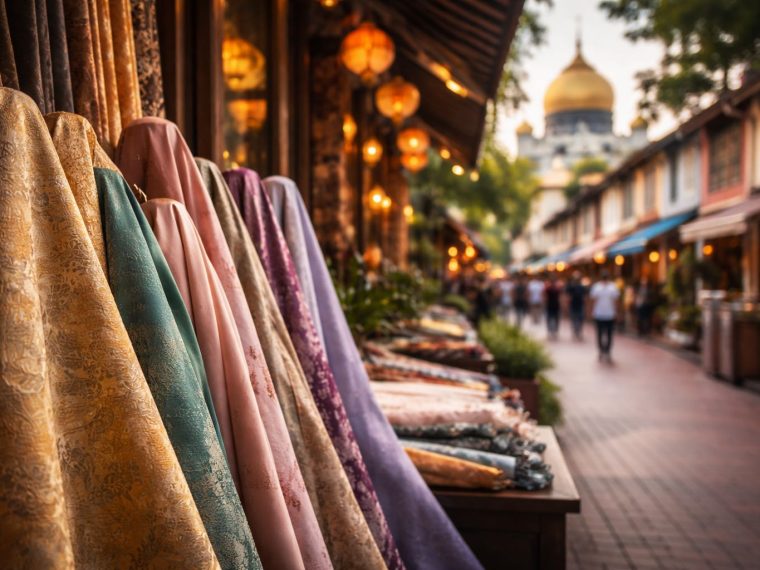
In an era where the metaverse is expanding and virtual reality tours are becoming increasingly sophisticated, there is a prevailing assumption that digital convenience will eventually supersede the need for physical presence. We can order exotic ingredients with a single tap, view high-definition livestreams of distant festivals, and conduct business meetings without ever leaving our living rooms. Yet, as technology permeates every aspect of our lives, a counter-movement is emerging that places a premium on the tangible, messy, and undeniable reality of the physical world. Nowhere is this more evident than in heritage precincts like Kampong Gelam, where the atmosphere is composed of sensory layers that no algorithm can successfully simulate.
Digital convenience drives the need for tangible interactions
There is no denying that the digital world excels at providing streamlined, friction-free experiences. We have grown accustomed to instant gratification, whether it is streaming the latest blockbuster or managing finances through an app. In the realm of online entertainment, accessibility is the primary selling point. For instance, users looking for digital entertainment often browse a full list of operators to find secure platforms for their casino gaming needs from the comfort of home. This level of convenience is perfect for transactional activities where the goal is efficiency and security.
However, this very efficiency can leave a void that only physical interactions can fill. The predictability of a digital interface stands in stark contrast to the organic discovery one finds in a heritage district. In Kampong Gelam, the “user experience” is not optimized for speed; it is optimized for depth. You might stop for a Teh Tarik and end up in a twenty-minute conversation with the shop owner about the history of the neighborhood. These unscripted moments are the antithesis of the digital experience, offering a richness that cannot be programmed. The more streamlined our digital lives become, the more we seek out the texture and friction of the real world to feel grounded.
Physical atmosphere defines the unique Kampong Gelam appeal
When you walk down Arab Street or Haji Lane, you are engaging in an experience that is fundamentally resistant to digitization. The vibrancy of the precinct comes from its immediate, uncurated reality. Visitors are drawn here not because it is efficient to visit, but because it is immersive. The interplay of light hitting the golden dome of the Sultan Mosque or the tactile experience of running your hand over silk fabrics in a textile shop creates a memory that is deeply encoded in the senses. This desire for physical connection is reflected in the robust recovery of the travel sector.
Despite the availability of digital alternatives for shopping and exploration, people are still flocking to Singapore to experience these precincts in person. International visitor arrivals to Singapore reached 16.9 million in 2025, a 2.3% growth compared to 2024. This statistic underscores a critical truth: while we can consume content about a destination online, the act of being there remains irreplaceable. The growth in visitor numbers suggests that as our lives become more screen-bound, the value of “being there” actually increases. We crave the authenticity of a crowded street and the unpredictable nature of exploring a heritage site on foot.
Local businesses blend tradition with modern technological tools
Interestingly, the survival of heritage precincts does not require a rejection of technology, but rather a thoughtful integration of it. Local businesses in Kampong Gelam are mastering the art of using digital tools to facilitate physical experiences rather than replace them. A historic textile merchant might use social media to showcase new arrivals, or a trendy cafe might use QR codes for menus, but the core product remains the in-person encounter. This hybrid approach allows the precinct to remain relevant while protecting its traditional soul.
The economic data supports the idea that visitors are willing to pay for these unique, tangible experiences. Tourism receipts hit a record S$23.9 billion in the first three quarters of 2025, up 6.5% from 2024. This surge in spending indicates that tourists are not just coming to look; they are participating in the local economy, buying crafts, dining in heritage shophouses, and investing in memories. The financial health of the precinct relies on this balance, where technology acts as a bridge that leads people away from their screens and into the physical marketplace.
Preserving the human element in Singapore’s tourism landscape
As we look toward the future of tourism in Singapore, the human element remains the most critical differentiator. Heritage sites are not museums frozen in time; they are living ecosystems sustained by the people who work, live, and visit there. The challenge for the coming years will be to maintain this authenticity amidst rapid modernization. Developers and urban planners must ensure that in the rush to modernize infrastructure, the grit and charm that make places like Kampong Gelam special are not polished away.