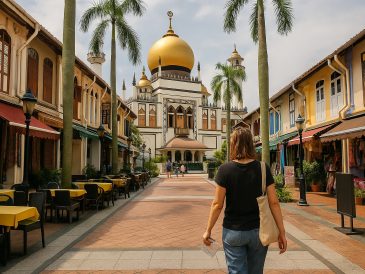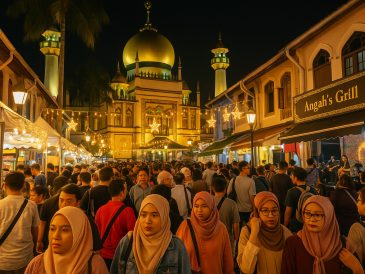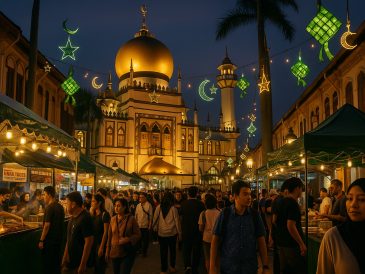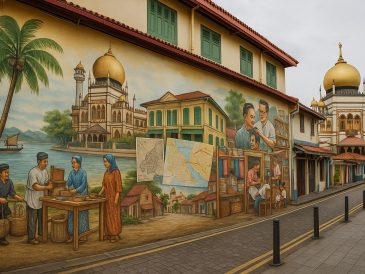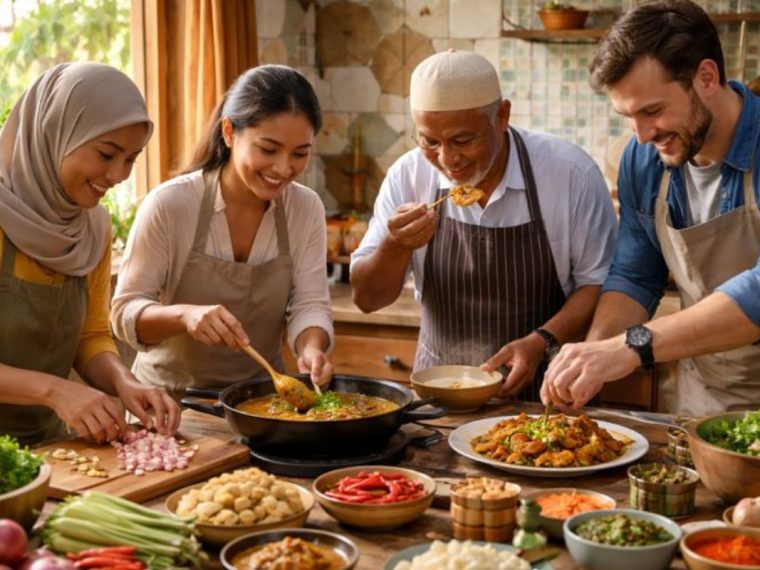
If you want to go beyond the colorful streets and historic mosques and taste real local flavours, cooking classes in Kampong Gelam are one of the best ways to do it. These sessions take you behind the scenes of traditional Malay cooking and help you learn skills that don’t always show up in travel guides. From mastering rempah spice pastes to preparing rich gravies and noodle soups, you’ll get hands‑on experience that connects you deeply with local culture. Whether you’re visiting Singapore for the first time or looking for a meaningful way to reconnect with your roots, these classes offer something special.
Reading on will give you a clear overview of what these classes are like, who they’re for, and where to find them, so you can plan your experience with confidence.
Cooking Classes In Kampong Gelam: What You Can Expect
This section gives you an overview of what participants usually experience in cooking sessions around the district. These classes are built around local food heritage, so you’re not just following a recipe; you’re learning stories and techniques passed down through generations.
Here’s a quick snapshot of what a typical session might include:
- Hands-on preparation of dishes using fresh, local ingredients
- Guidance on techniques for cooking curries, noodles, and other traditional favourites
- Opportunities to taste what you cook and understand flavour combinations
- Cultural context behind each dish, including seasonal and festive preparations
- Tips for recreating the flavours at home
This gives you a sense of what to look forward to and how these classes bridge food and culture.
Why Cooking Classes In Kampong Gelam Are More Than Lessons
Kampong Gelam has long been a place where different food cultures meet. From Malay trading routes to influences from Indonesia, Arab regions, and beyond, the district’s culinary heritage is rich and layered. Cooking classes in Kampong Gelam tap into this history by teaching techniques and dishes that reflect that heritage.
These classes often focus on traditional preparation skills like balancing flavours in curries, creating spice pastes, and pairing dishes for communal eating. Participants gain insight into signature Kampong Gelam dishes, learning not just how to cook them but also understanding what makes these meals local favourites and why they have endured over generations.
Where to Attend Cooking Classes in Kampong Gelam
When it comes to specific places, one standout option for hands-on cooking experiences is SSA Culinary Institute, which offers workshops centred on Malay and regional dishes. Participants cook step-by-step under guidance, gaining hands-on experience with authentic recipes.
Classes here often teach participants how home techniques translate to everyday foods, including local street snacks. You’ll see how flavours and methods learned in the kitchen appear in simple hawker favourites, linking traditional preparation to foods you can enjoy around Kampong Gelam.
SSA Culinary Institute: Heritage Malaysian Classes
At the SSA Culinary Institute located at Tai Seng Centre, you can join 1‑day workshops that focus on Malay favourites and local classics. These workshops are practical and immersive, blending hands‑on cooking with cultural background on each dish. ssaculinary.institute
- Kampong Favourites: Nasi Ambeng Dishes: This workshop teaches the art of preparing Nasi Ambeng, a traditional communal meal with fragrant rice and several side dishes like sambal goreng tahu tempe, sambal sotong kering, and opor ayam.
- Kampong Favourites: Malay Noodles: In this class, you learn to make three beloved noodle dishes from scratch, including Laksa Singapura, Mee Rebus, and Mee Soto with sambal kicap and bagedil.
- Kampong Favourites: Malay Gravies: Here you focus on rich gravies such as Asam Pedas Ikan Pari and Udang Lemak Cili Api Nenas, each rich with spice and tradition.
These sessions typically span a full day and include both classroom instruction and time at the kitchen bench. Participants cook step‑by‑step under the guidance of experienced trainers, making it a great choice whether you’re a total beginner or have some kitchen confidence already.
Additional Workshops and Local Studios
Beyond the core Malay classes, SSA also offers related sessions such as Authentic Peranakan dishes and other Singapore‑style food workshops that broaden your skills. Workshop options change by season, so it’s worth checking their schedule in advance.
Closer to Kampong Gelam’s heart, there are kitchen studios and community classes that occasionally host heritage cooking sessions or private group workshops in traditional dishes. These may include courses on local kuih desserts, halal cuisine foundations, and more. (Listings and timings vary, so checking with the venue directly is recommended.)
What You’ll Learn in Cooking Classes In Kampong Gelam
Now that you know where to find them, it helps to understand what you’ll actually do in these classes.
In most sessions, participants dive straight into preparing dishes from scratch. You’ll learn how to balance spices and sauces, how to make stock bases or gravies with depth, and how to plate or serve foods in ways that respect tradition and maximise flavour.
In a noodle class, for example, you might start by preparing the broth for Laksa and then move on to the ingredients for Mee Soto. In a Nasi Ambeng session, you’ll learn different techniques for side dishes that complement one another when served together. All of these give you practical skills you can apply in your own kitchen later.
These experiences often include a moment where the instructor shares stories about the dish’s cultural meaning, seasonal importance, or roots in local history. This contextual layer brings each recipe to life and deepens your appreciation of what you’re cooking.
Who Should Join Cooking Classes In Kampong Gelam
These classes appeal to anyone who loves food and culture. For travellers who want to go beyond tasting and into doing, cooking classes offer hands‑on learning and fun social moments. For locals, they can rekindle memories or introduce new twists on family recipes you grew up with.
Classes are also suitable for small groups, friends, or couples who want a shared activity that ends with a delicious meal you prepared together. You don’t need to be a professional cook to enjoy these sessions; many workshops are designed for beginners and focus on making the process engaging and approachable.
During festive periods, instructors often touch on Ramadan food traditions, providing context for how meals bring families and communities together. This makes the sessions especially rewarding for those interested in seasonal dishes or cultural celebrations.
Cooking Classes In Kampong Gelam Bring the District Home
Participating in cooking classes in Kampong Gelam is one of the most meaningful ways to connect with Singapore’s heritage food culture. You won’t just follow a recipe; you’ll learn why ingredients matter, how flavours have evolved through trade and tradition, and how community shapes what ends up on the plate.
Many of the techniques taught are rooted in traditional Malay cuisine, reflecting deep history and cultural exchange that spans generations. Classes like these let you take home a piece of that heritage, whether you find yourself recreating a noodle broth or perfecting a spice paste in your own kitchen.
Even if your stay is short, the skills and stories you gather here can stay with you long after you’ve left the district.
Cooking Classes In Kampong Gelam: Your Next Step in Food and Culture
Whether you’re curious about how Laksa Singapura gets its bold flavour or eager to master the art of a communal Nasi Ambeng platter, the cooking sessions around Kampong Gelam and nearby training centres give you hands‑on experience that informs your palate and your perspective. These classes blend technique, history, and hospitality in ways that make you feel part of the neighbourhood.
Stepping into a kitchen here means stepping into a living culinary tradition. After a day of chopping, stirring, and tasting, you’ll walk away not just with new skills but with a deeper connection to the flavours that define this historic district.